Stikky Wine Review - A Fast Read To Introductory Wine Tasting
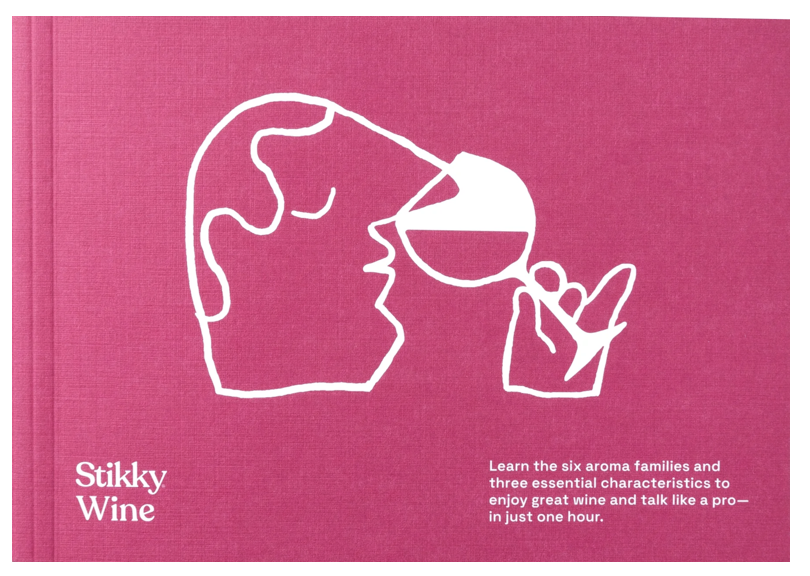
Stikky Wine is an approachable introduction to wine appreciation, designed for readers who want to quickly grasp the fundamentals of tasting and describing wine without getting too serious. The book written for fast comprehension and visual learning, making it particularly effective for beginners who may feel intimidated by academic long reads. It encourages wine tasting as an enjoyable, accessible skill that anyone can learn with a little practice.
Many of the book’s pages devote nearly as much space to pictures as they do to text. This keeps the lessons engaging and easy to absorb, quickly and without feeling overwhelmed. Readers are prompted to think about what they are seeing, smelling, and tasting, rather than simply memorizing terminology. Throughout the book, visually aided quizzes appear to reinforce learning and test comprehension in a low-pressure way.
WHEFFS & TAB
I like the use of acronyms to organize the sensory experience of wine tasting. The first major framework introduced is WHEFFS, which represents six primary aroma families common in wine:
W – Weird
H – Herb
E – Earth
F – Fruit
F – Flowers
S – Sugar & Spice
This encourages readers to approach wine aromas methodically, first considering which category the aroma belongs to. This is a useable, structured approach, with a simplified mental checklist readers can use during tasting.
The book’s second major framework focuses on the mouthfeel sensations of wine, TAB:
T – Tannin
A – Acidity
B – Body
These characteristics describe how wine feels in the mouth. Building on the WHEFFS aromas, the book naturally progresses from smell and flavor to mouthfeel.
The practical advice throughout the book is concise and memorable. Short tips explain how to evaluate wine visually, how to smell wine effectively, and how to think about flavor development on the palate. These insights are brief and actionable, making them easy to apply immediately during a tasting. For someone new to wine, this can dramatically improve the experience of ordering wine in restaurants, purchasing bottles in shops, or discussing wine with friends.
A helpful epilogue functions as a quick refresher guide. After learning the frameworks and concepts, readers can revisit this section to quickly review the key ideas before a tasting or while shopping for wine. It condenses the book’s most important points into a simple reminder system that reinforces the WHEFFS and TAB approach.
The appendix provides additional resources for readers who want to continue exploring wine. It introduces different wine styles and types, recommend books and websites for deeper study, and suggestions for wine tasting events and at-home tasting experiences.
The book is described as your guide to “Learn the six aroma families and three essential characteristics to enjoy great wine and talk like a pro...” It is a solid resource for a first read on the elements and process of wine tasting. Stikky Wine can help beginner tasters describe and understand their personal tastes and preferences, and become comfortable discussing, buying, or ordering wine.